PhD Student · Sociology
Studying (de)medicalization of birth and death • exploring interstitial spaces • comparing midwifery and palliative care • using exploratory methods
About
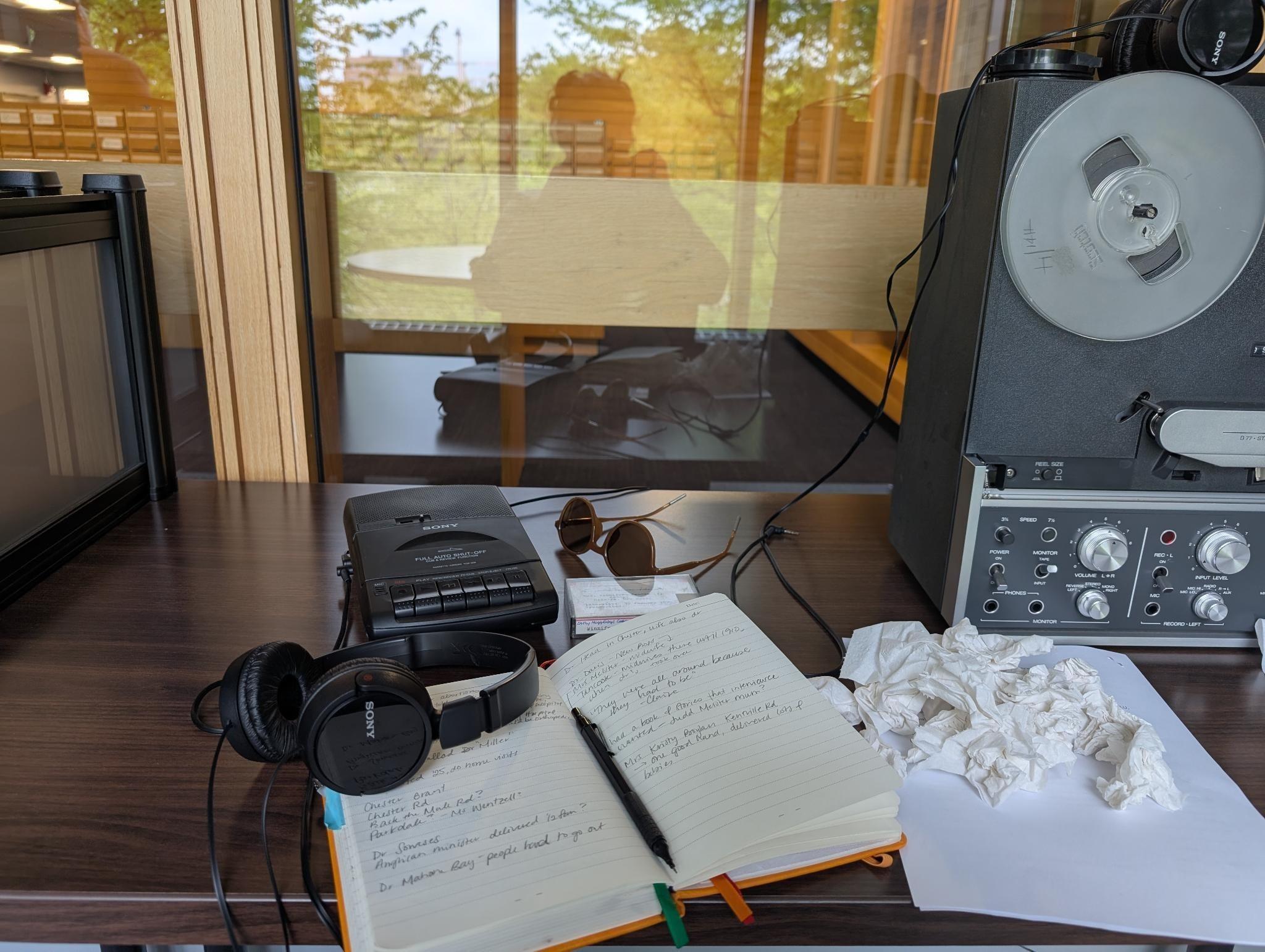
I am a PhD student in Sociology at Dalhousie University, where I study two particular transitional moments that have become medicalized: giving birth and dying. I am currently developing a comparative study of how midwives and palliative care nurses understand their work and shape modern day rites of passage.
"We fill pre-existing forms and when we
fill them we change them and are changed."
Frank Bidart, "Borges and I"
My research sits at the intersection of feminist sociology, the sociology of professions, the sociology of medicine, and the sociology of death and dying. I am particularly interested in how midwives and palliative care workers negotiate authority, meaning, and care at the edges of existence.
Before beginning my doctorate, I obtained an MA in English and Master of Environmental Studies from York University. I attended Montana State University for my undergraduate studies, where I received my BA in English Literature. Between my master's and doctoral work, I co-owned and operated the Cardamom Pod Cafe in Pugwash, Nova Scotia with my partner. We served the only lattes and espressos in town. I owe much of my current research focus to the people I met while living there.
I am currently in the proposal stage of the program. Nonetheless I welcome inquiries from potential interview participants and fellow researchers.
Please note that St Francis is my married name. Once all the [very extensive, labour-intensive] paperwork goes through, I will be using it publicly.
Department of Sociology and Social Anthropology · Dalhousie University · emma.nelson@dal.ca
Curriculum Vitae
✦ ✦ ✦My full curriculum vitae includes my educational history, publications, conference presentations, teaching experience, and service. Updated June, 2026.
View Full CV →Research
Known only in death
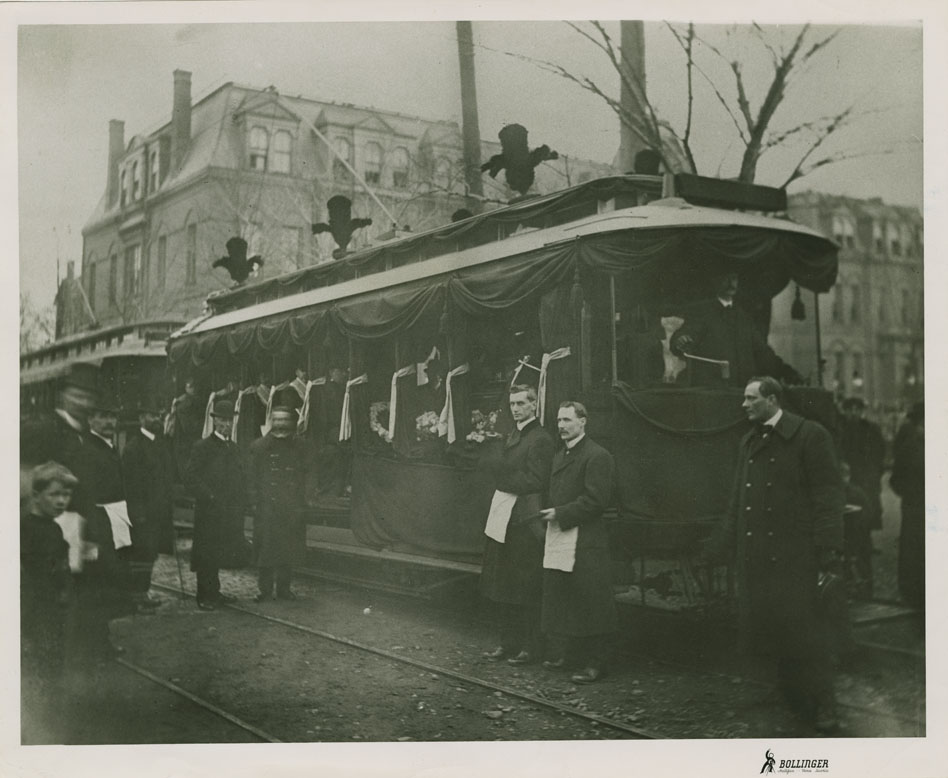
This paper argues that socioeconomic status determines the treatment of human remains and possibilities for posthumous dignity. As a province with a well-documented history of funerary practices and modern-day policies to subsidize funerals for unclaimed remains, Nova Scotia is a nuanced setting in which to explore socioeconomic inequality in death. Compared with wealthier classes, low income earners may not have the same resources with which to access "a good death" and determine how they are treated posthumously. Despite being conceptualized as a great equalizer, death is deeply affected by class. How do socioeconomic inequalities shape possibilities for posthumous dignity?
Download the pdf ↓Reconciling relationships with the Land through Land Acknowledgments
Co-authored with my MES supervisor, Dr Deborah McGregor, this book chapter explores how our positionality shapes our interactions with land acknowledgments (Dr McGregor being Anishinaabe from Whitefish River First Nation, and Emma being a descendant of Scottish-Norwegian settlers). We reflect on some tools that we have used to engage others with the deeply radical roots of land acknowledgments, beyond simple recognition and moving into relationality.
Published in Sacred Civics: Building Seven Generation Cities, Routledge.
Download the pdf ↓Additional papers and working documents forthcoming. Contact me for pre-publication drafts.
Projects
Blog
Personal blog featuring essays, reflections on my academic work, and process towards graduation.
Mapping land theft
A digital archive and interactive map showing land "transfers" to the Crown. Intended to spark conversations about the land theft that created Canada. As an RA, I was the database developer and map maker.
I've Bin Gardening: How to grow a container garden
A pandemic project. Self-published an illustrated and narrative guide to developing container gardens. Targeted towards people living in poverty and in urban areas. Digital editions available through "Learn more about the book" link on site.
Podcast
This podcast, produced for my MES thesis, features interviews with settler (or non-Indigenous) future urban planning students, housing advocates, and planning experts on their perspectives on land acknowledgments in their land-based work.
Each episode sits with someone who considers the role of land in their work processes and asks how they understand possibilities for enacting the radicality reflected in land acknowledgments in their future work.
Contact
I welcome messages from fellow researchers, potential collaborators, journalists, and those interested in participating in my research.